
CHRONOTOPIC FRACTURES
Multi-media installation, 7 hours.
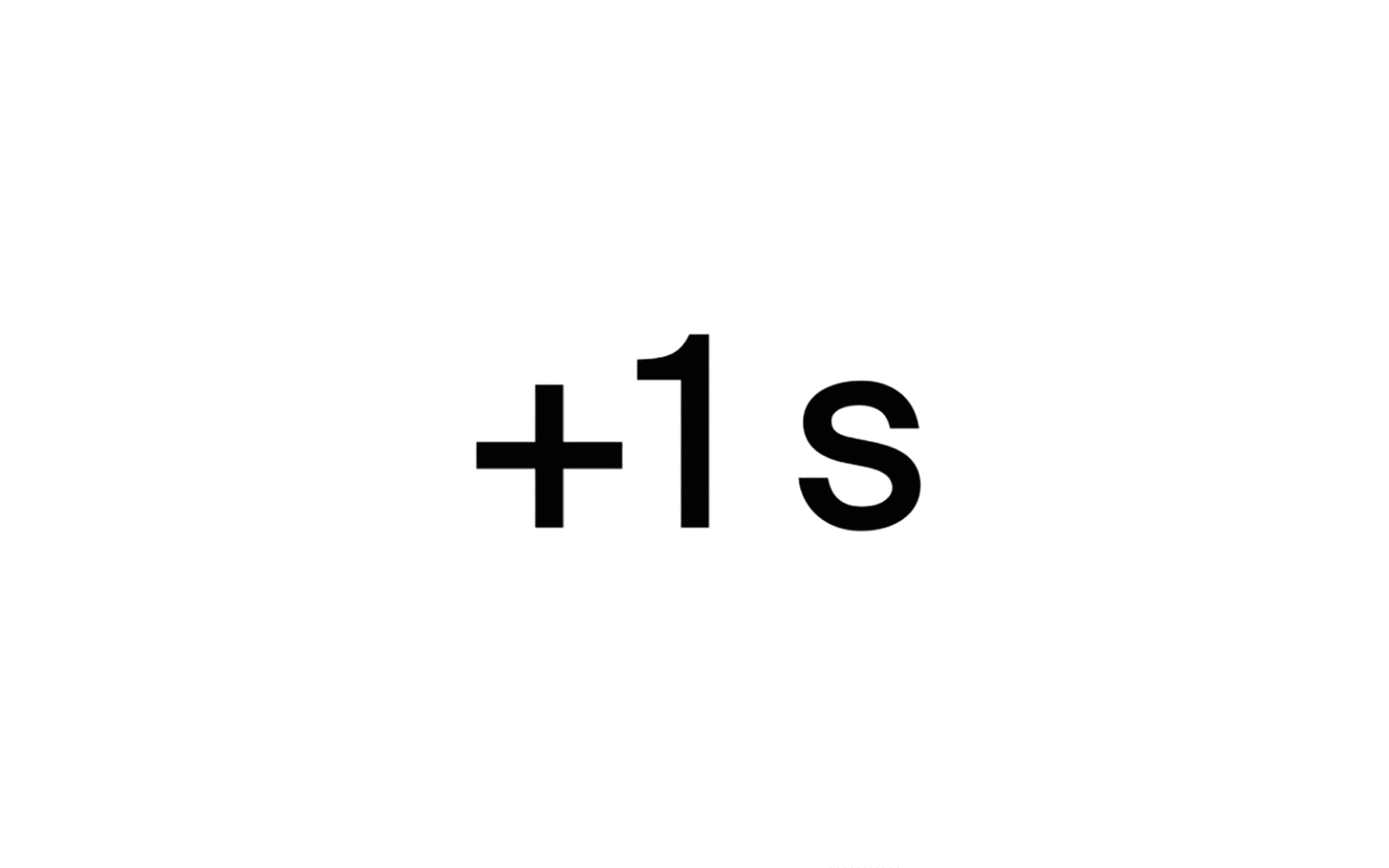
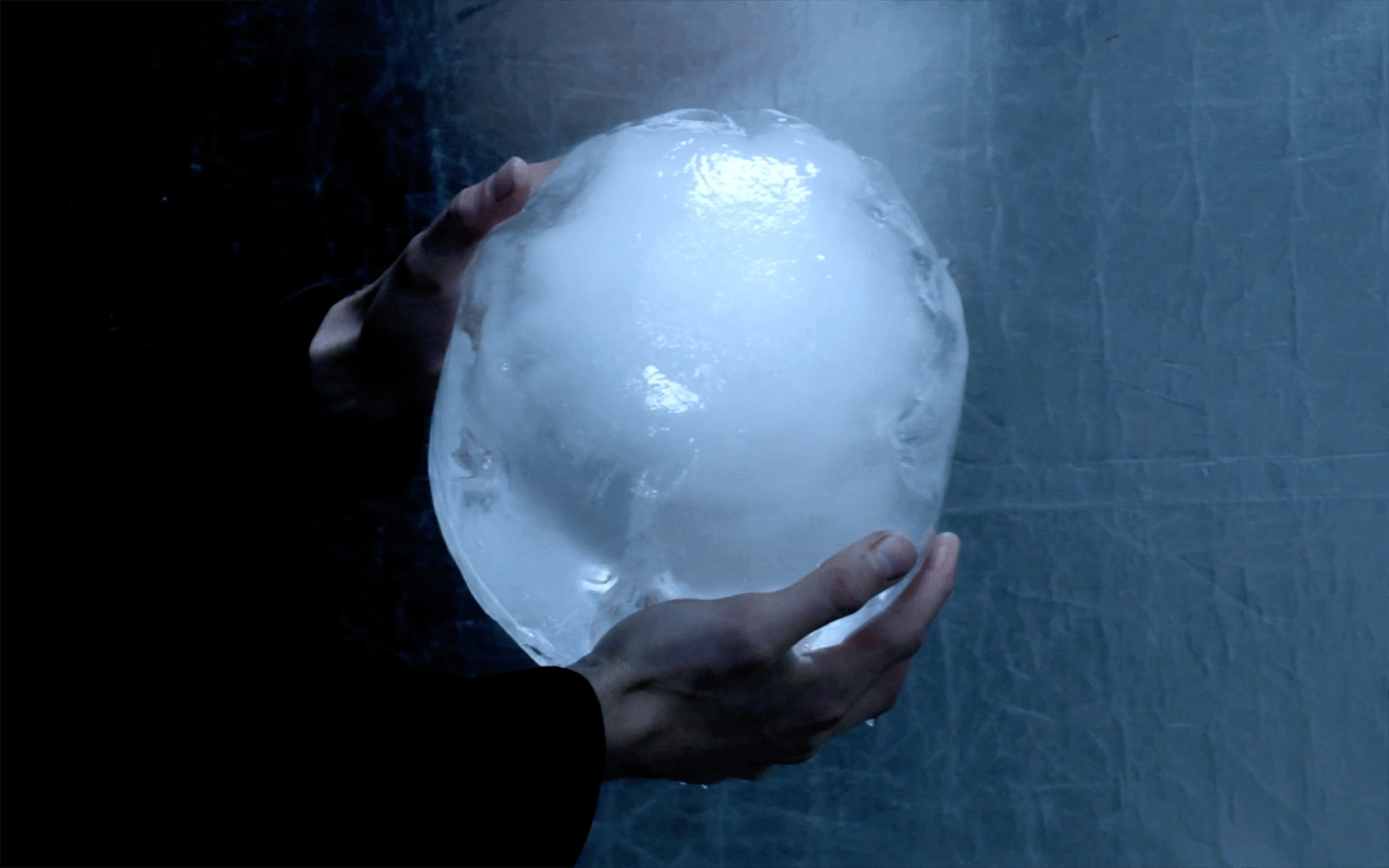
Chronotopic Fractures is a time-based installation where synthetic atomic clock ticks and planetary motion collide. As planetary systems such as ice melt, atmospheric dynamics, and core mass redistribution influence Earth’s unstable rotation, the regularity of caesium oscillations in atomic clocks remains undisturbed. Global time is recalibrated now and then via the insertion of a leap second: a single moment designed to align with naturally occurring planetary drift. Such an event is the site where “naturally occurring phenomena” and “man-made technology” converge, rupture, and negotiate authority. Does this temporal addition grant humans dominion over time, or does it expose how far they stand from what they seek to control?
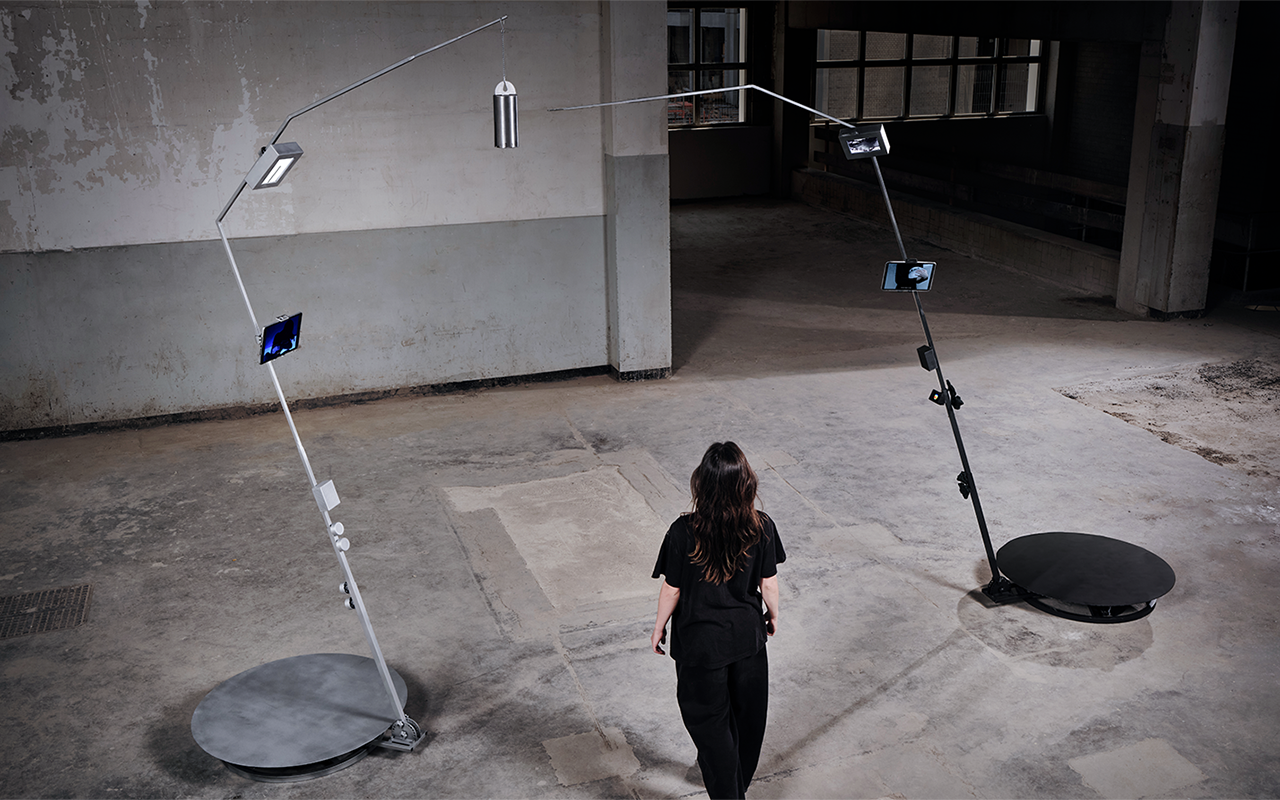
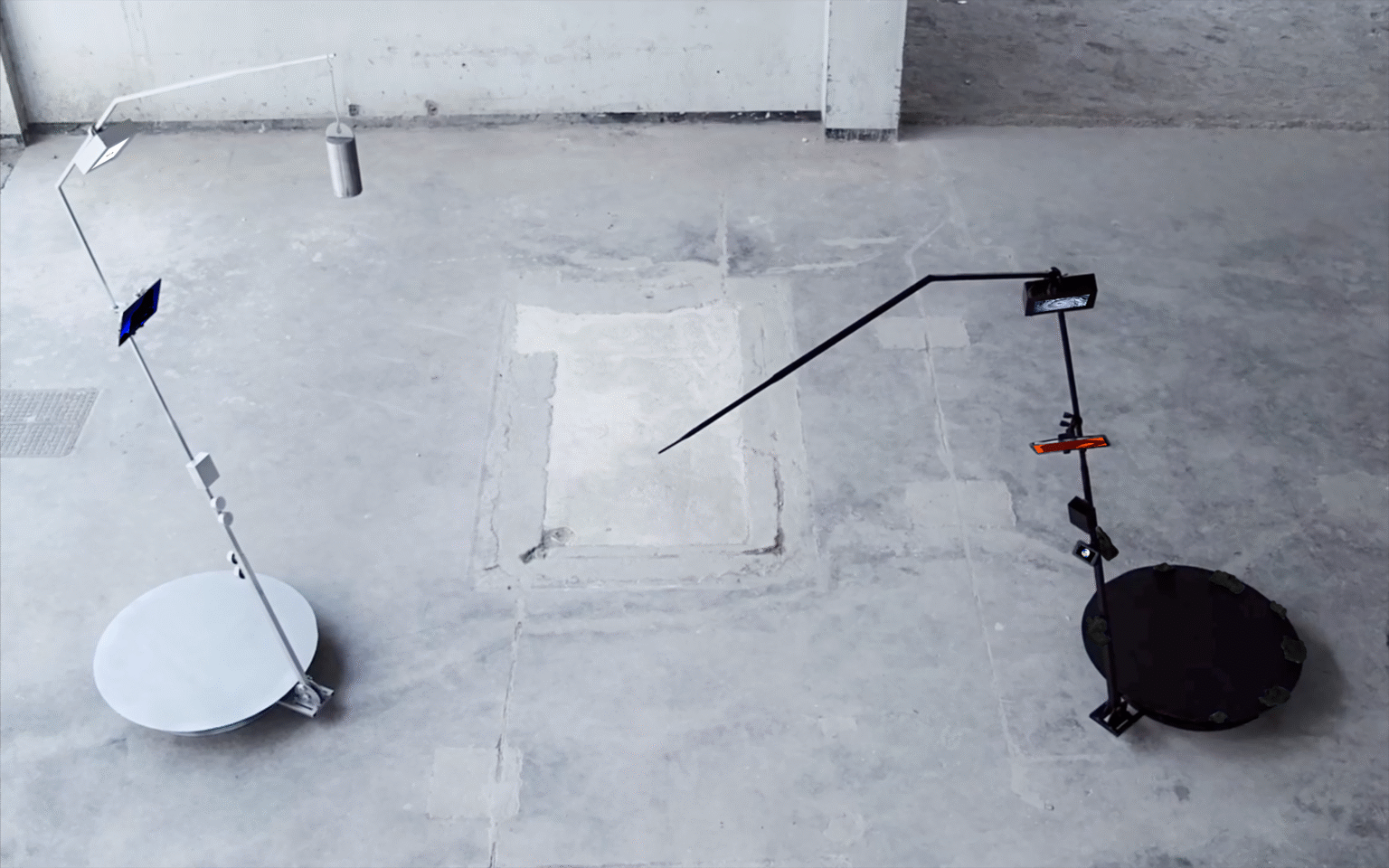
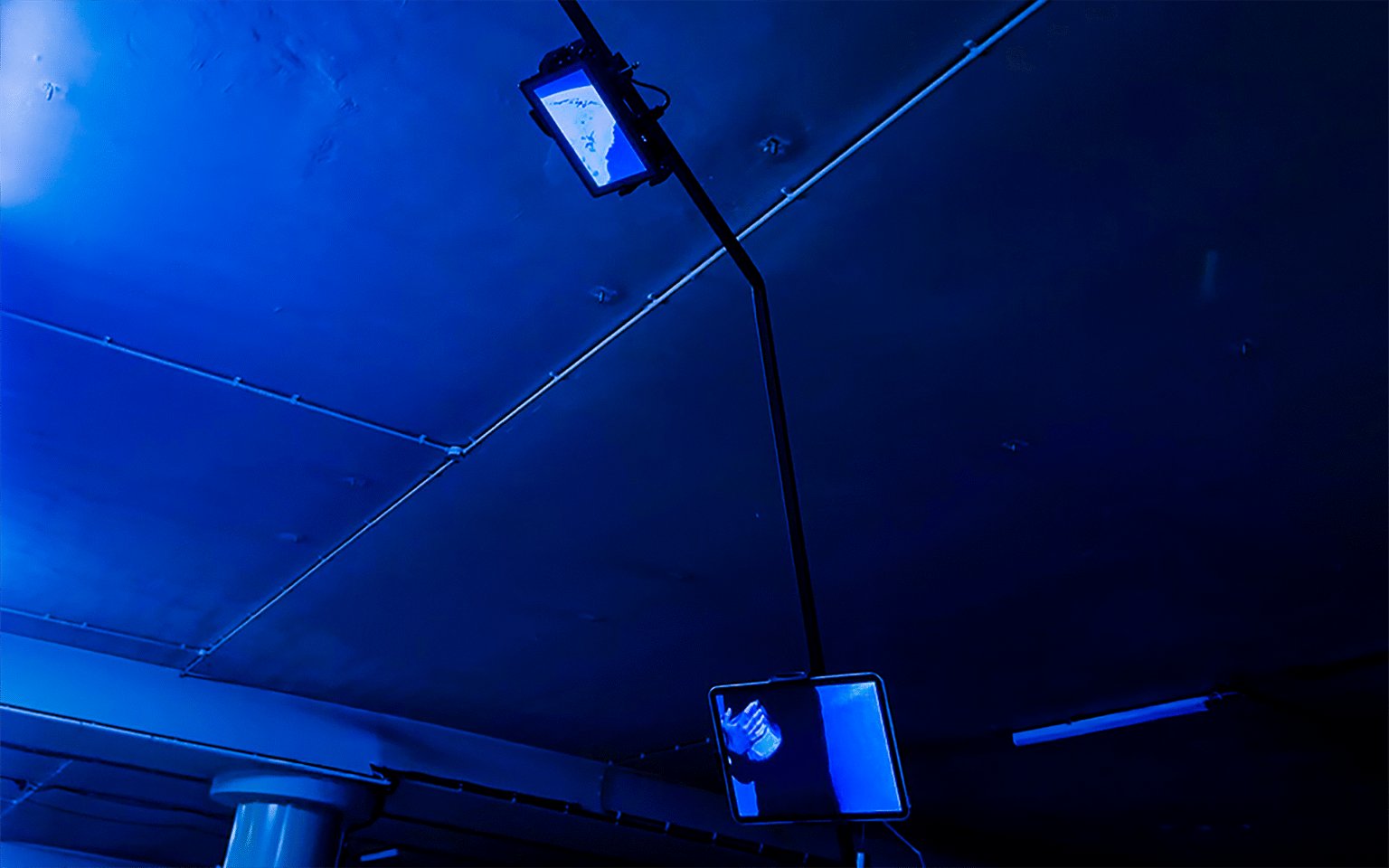
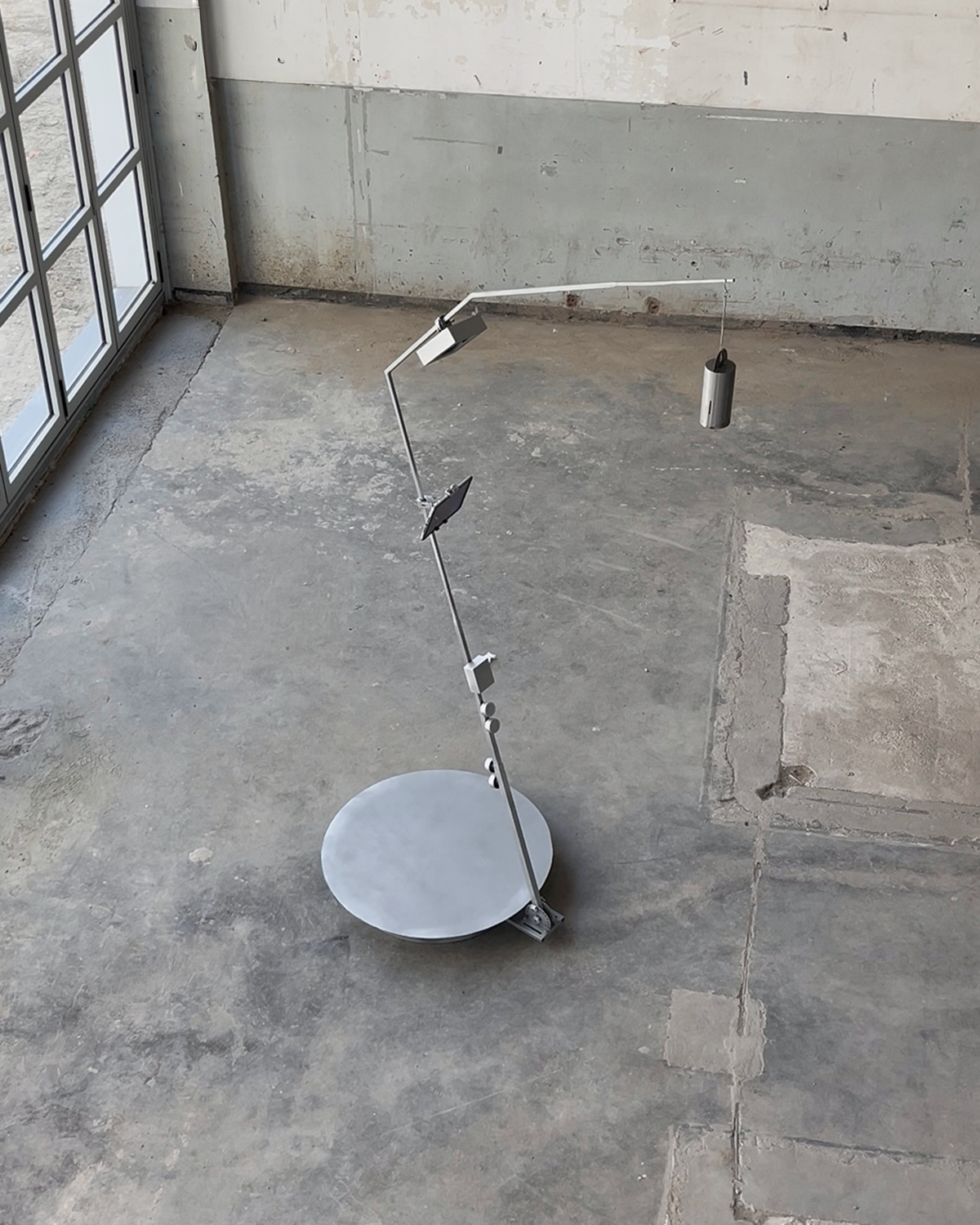
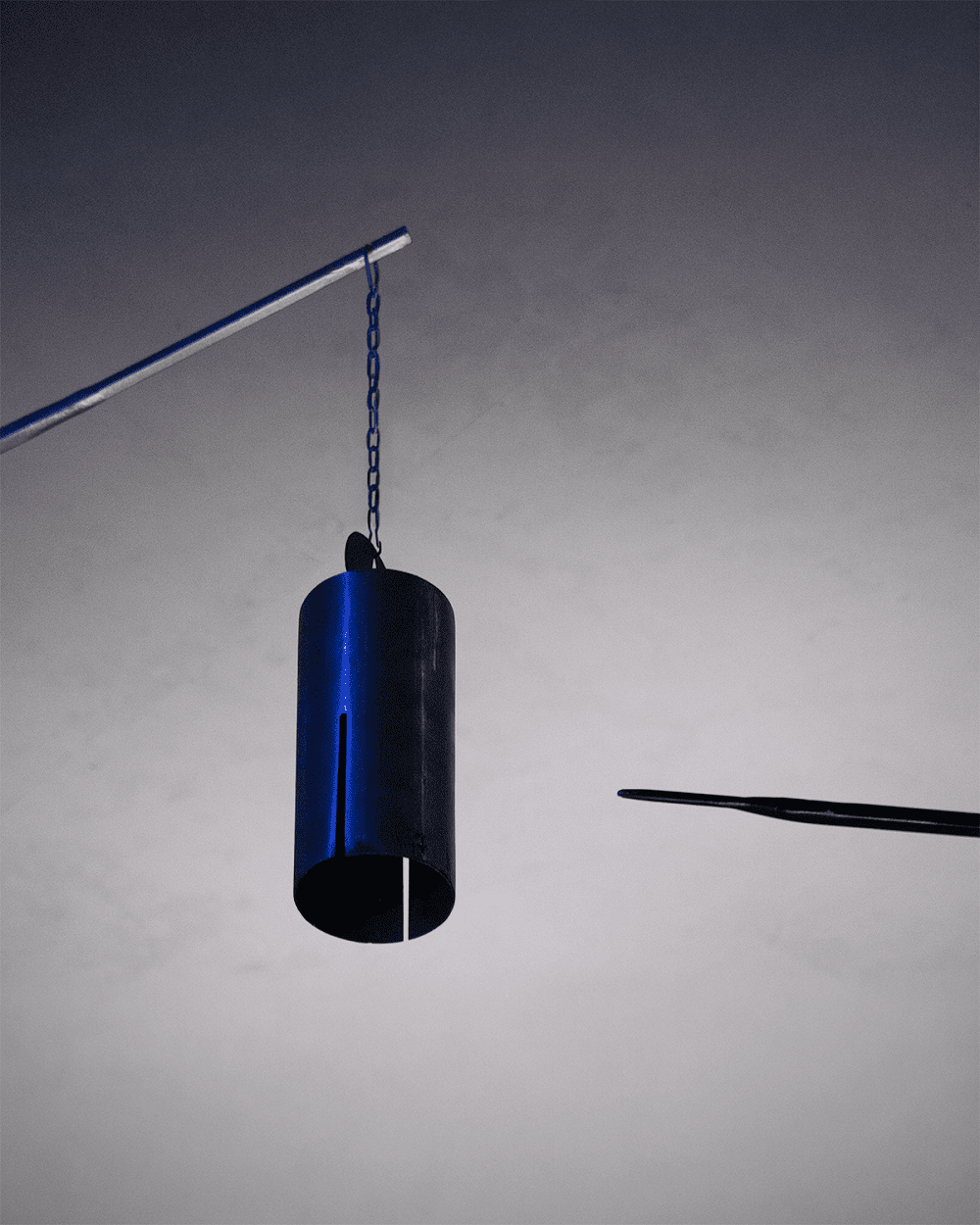
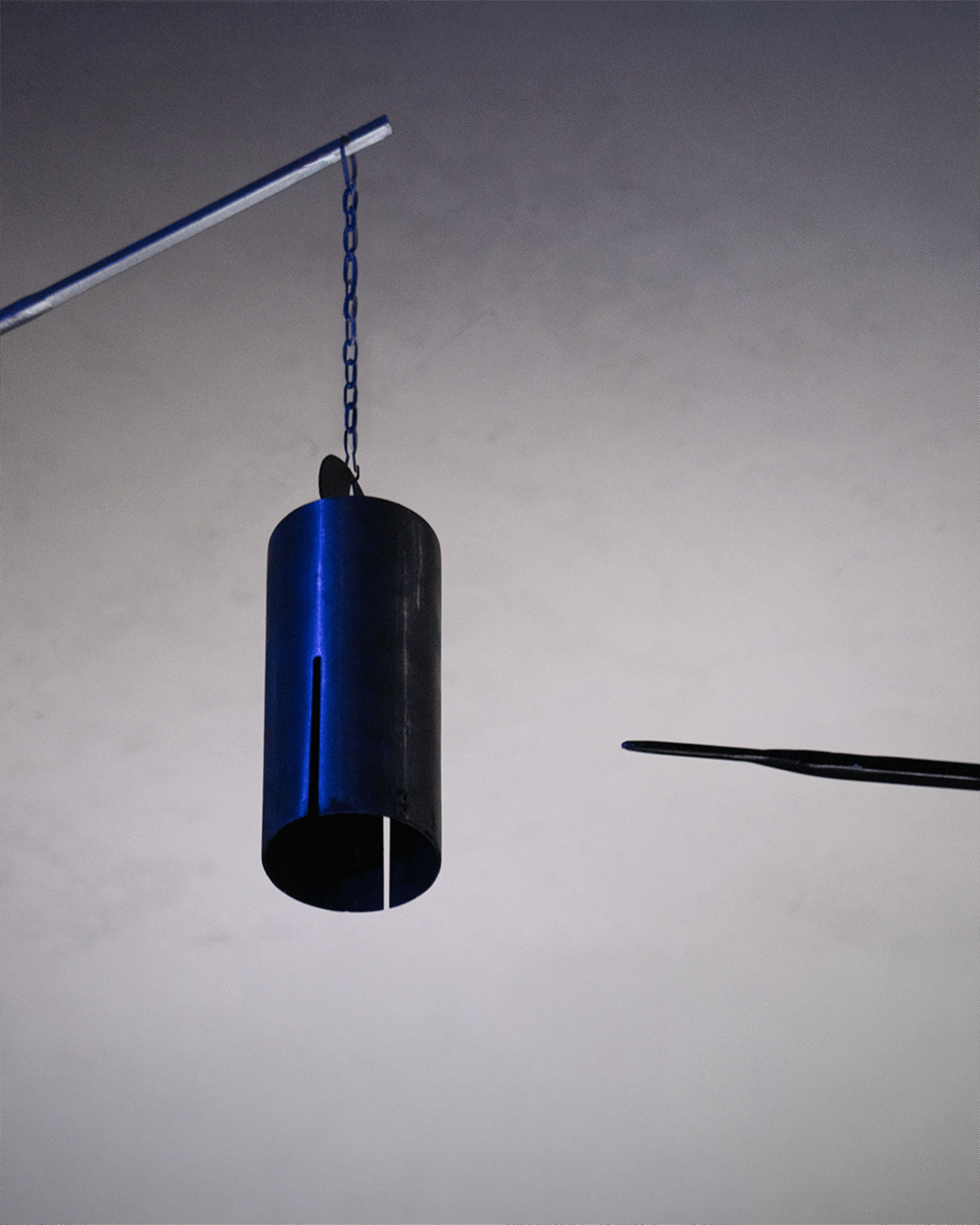
Within the installation, two rotative devices are sharing space but represent different temporalities. One device (silver) rotates in metronomic stability: atomic time, key time for global logistics, digital infrastructure, and daily synchronisation. The other (black) describes an unpredictable, faltering rhythm, decelerating, accelerating, then decelerating again, being planetary time: Earth’s rotational uncertainty with no engineered schedule. For seven hours, the devices maintain proximity, diverging and re-aligning. Their unpredictable, fleeting contact is physically manifested by a bell that sonically registers the leap second.
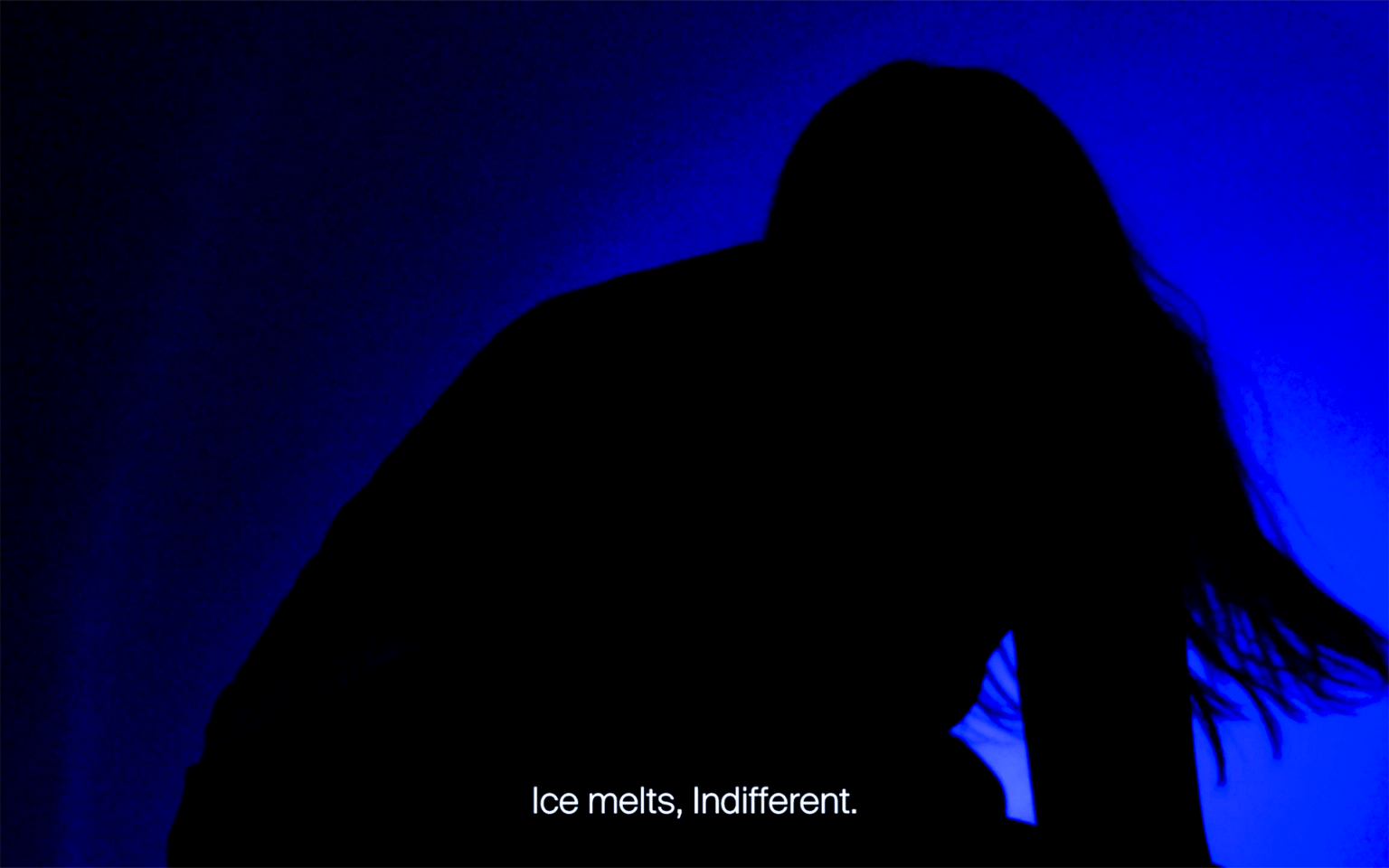
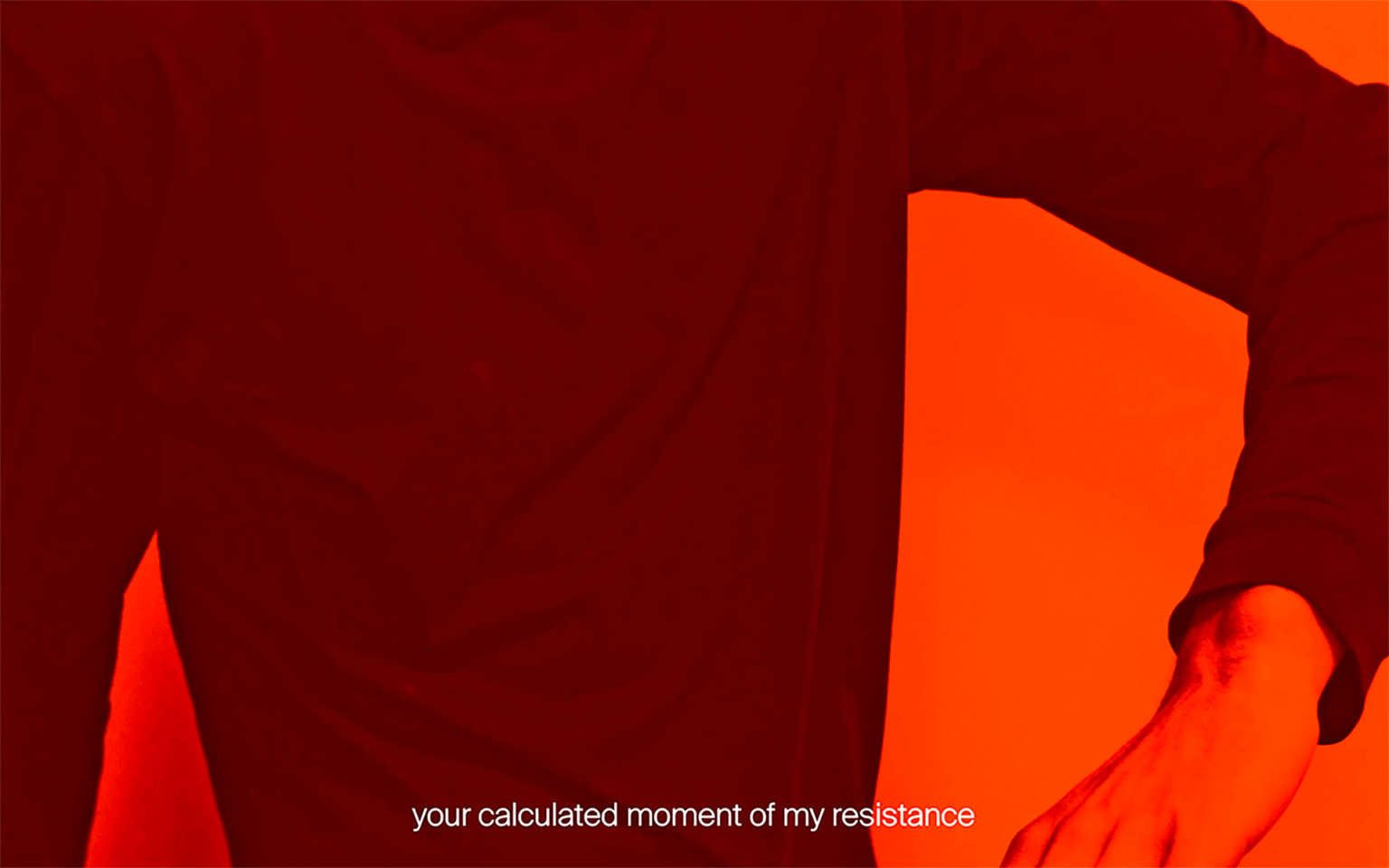
Each device is paired with its own moving image: one impersonating the narrative of atomic time (UTC), the other enacting planetary time (UT1). They perform a constant debate. The atomic sequence is all about synchronisation, uniformity; the planetary sequence resists and follows its own erratic, geophysical logic. The soundscape is a mix of field recordings of melting glaciers, shifting atmospheres, with synthesiser-generated tones, mixing planetary contingency with technological precision. At each turn, segmented and linear texts unfold along the rotation and legible only by following the rotative movement. The rotation forces the viewer to synchronise with the motion and makes their presence elemental to the piece; they become a participant, not a passive observer.
This project came to life from an extensive research at the Paris Observatory; a site where international time is negotiated on a daily basis. It also draws on conversations with Christian Bizouard, who oversees the calibration between Earth’s rotational time and atomic time, transmitting the signals that bring global synchronization into effect, and the Swedish Arctic, a landscape with slow violence of glacial retreat. This project also draws from discussions with geophysicist Duncan Agnew, author of the paper “A global timekeeping problem postponed by global warming,”: how melting ice sheets are shifting Earth’s rotation and, in turn, affecting the measurement and perception of time.
During conversations with the timekeeping community, it became clear that there is a concrete plan to abolish the leap second by 2035. This will suspend the periodic realignment between atomic time and Earth’s rotation for a century. This relationship has been maintained for decades but is regarded by many in digital and technological sectors as a source of anomaly and system failures. With this abolition, we formally choose to live by synthetic, atomic time, potentially for a century. Atomic clocks will drift from Earth’s rotation without periodic realignment. Even if the offset is just a second, ending this practice is a man-made shift in priority, technological precision over planetary rhythms.
What would it mean for a society to spend a hundred years governed solely by the oscillating precision of atomic time, unaligned with the planetary cycles that shaped our sense of duration?
Acosmia: where the rhythm of existence is set by machines rather than the Earth itself.
If you want to read and learn more, here is the link to my written work.
This work was nominated for the Gijs Bakker Award, and was exhibited during Dutch Design Week 2025.
Warm thanks to Metahaven, Margarida Mendes, Merve Bedir, Agustina Woodgate, Gabriel Maher, Connor Cook, Irakli Sabekia, Parasite 2.0, Emilia Tapprest, Bahar Noorizadeh, Max Frimout, Michael Caplan.